When Success Hid My ADHD - Growing Up Vietnamese-Australian and Finding the Missing Piece at 41
Content note: This post discusses late-diagnosed ADHD, self-doubt and medication.
At 41, I was diagnosed with ADHD.
Even writing those words feels surreal.
If someone had suggested this to me a few years ago, I probably would have laughed. Not because I didn't believe ADHD existed, but because I never imagined it could describe me. Ironically, I also carried many of the same misconceptions that stopped me from recognising it in myself. I thought ADHD was something diagnosed in young boys who couldn't sit still in class. I associated it with being disorganised, impulsive, or simply not trying hard enough.
I now realise how wrong I was.
The Noise I Never Knew Existed
The first thing I noticed after taking medication wasn't that I suddenly became more productive.
It was silence.
For as long as I can remember, my brain felt like dozens of browser tabs open at once. Ideas, conversations, creative projects, worries, reminders and random thoughts all competed for my attention simultaneously. I genuinely believed everyone's mind worked this way.
When that constant mental chatter settled, I almost cried. Not because I felt like a different person. Because I realised how much energy I'd spent just trying to function.
Looking Back, the Signs Were Always There
Almost immediately after my diagnosis, memories started resurfacing.
I thought about the countless hours I'd hyperfocus on filmmaking while forgetting to eat. The unfinished projects. The endless to-do lists. The excitement of starting something new, followed by feeling overwhelmed trying to finish it.
From the outside, people often described me as ambitious, energetic and productive.
Inside, it frequently felt like controlled chaos. What looked like confidence was often years of carefully built coping strategies.
Growing Up Vietnamese-Australian
Looking back, I also wonder how much my upbringing shaped the way I interpreted those struggles.

I grew up in a Vietnamese family in Western Sydney. Like many children of immigrant parents, I was raised to value education, resilience and hard work. Those values have served me incredibly well, and I'm grateful for them.
But when something was difficult, the answer was rarely to ask why.
The answer was usually to work harder.
Growing up, mental health wasn't something we really talked about. Looking back, I don't think it was because my parents didn't care. They had fled Vietnam, rebuilt their lives in Australia, and were focused on giving my sister and me opportunities they never had.
Quite simply, they were too busy surviving. Conversations about mental health, neurodivergence, or ADHD just weren't part of our world.
We didn't have the language for it, and it certainly wasn't something I ever considered could apply to me.
So instead of wondering whether my brain simply worked differently, I assumed I needed to become more organised, more disciplined and more focused.
I spent decades trying to fix myself.

Success Can Hide Struggle
One of the reasons my ADHD went unnoticed for so long was because I looked like I was coping.
I'm a filmmaker, actor, martial artist, educator and entrepreneur. I've directed feature films, built creative communities, taught students and balanced multiple careers.
People saw someone who got things done.
What they didn't see were the calendars, reminders, alarms, sticky notes and systems holding everything together.
They didn't see the exhaustion that came from constantly trying to stay one step ahead of my own brain.
I've since learned that many women—particularly high-achieving women—become incredibly good at masking.
Sometimes we become so good at appearing capable that we don't realise how much we're struggling ourselves.
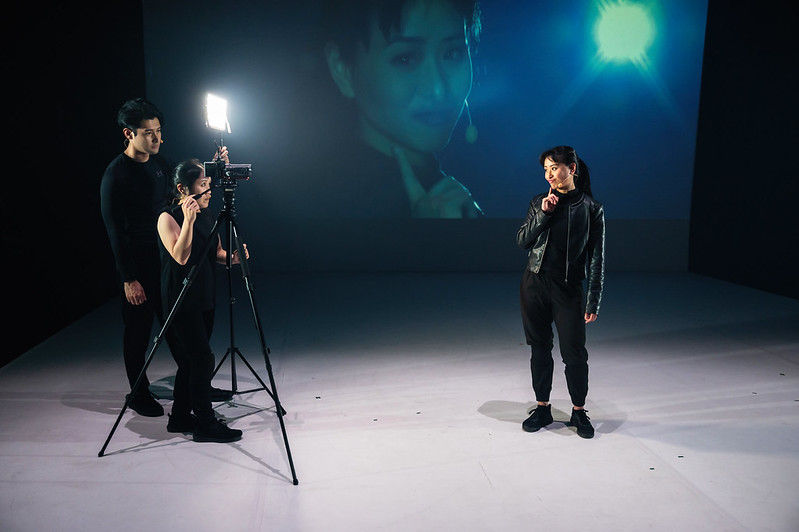
The Assumptions I Had to Unlearn Perhaps the hardest thing to admit is that I also believed many of the stereotypes surrounding ADHD.
When ADHD became more visible online, I found myself feeling sceptical. It sometimes seemed like everyone suddenly had it. I worried that a genuine condition was being reduced to quirky personality traits or used as an excuse.
Now I see that those same stereotypes prevented me from recognising my own experiences.
Stigma doesn't just affect how we see other people.
Sometimes it quietly shapes how we see ourselves.
The Conversation That Changed Everything
In 2025, during a trip to Perth, someone gently suggested I might have ADHD.
My immediate reaction was, "No, that's definitely not me."
But the idea stayed with me.
I started reading. Listening. Researching. Eventually, I decided to undergo a formal assessment.
Receiving the diagnosis wasn't about gaining a label. It was about finally receiving an explanation. Instead of asking, "What's wrong with me?" I found myself asking, "What if my brain has simply been working differently all this time?"
That question changed everything.
Medication Didn't Change Me
Since sharing my diagnosis publicly, I've already heard many opinions.
Some people believe medication changes your personality. Others think ADHD has become a trend or an excuse. I can only speak from my own experience.
Medication hasn't made me less creative. It hasn't changed my values or my imagination. If anything, it has allowed me to access the person I've always been with less mental friction.
I'm still juggling ideas.
I'm still telling stories.
I'm still me.
My brain is simply a little quieter.
Why I'm Sharing This
One question keeps coming back to me.
What if I'd seen another Vietnamese-Australian woman openly talking about ADHD ten years ago?
Would I have recognised myself sooner?
Would I have been kinder to myself?
I don't know. But I do know that representation matters.
For many Asian communities, conversations around neurodivergence are still relatively new. There can be stigma, misunderstanding, or simply a lack of awareness. That makes stories like ours important—not because they provide answers for everyone, but because they remind people they aren't alone.
If you're reading this and parts of my story feel familiar, I hope you'll approach yourself with curiosity instead of judgement. Whether you pursue an assessment or not, you deserve compassion, not criticism.
For forty-one years, I believed I needed to become a different person. It turns out I simply needed to understand the person I'd been all along.
And that has made all the difference.
About the Author

Maria Tran is a Vietnamese-Australian filmmaker, actor, martial artist and educator living between Las Vegas and Sydney. Through her work, she explores identity, community, and the Asian diaspora, creating stories that champion representation and grassroots filmmaking. Following a late ADHD diagnosis at 41, she hopes sharing her journey encourages more open conversations about neurodivergence within Asian communities and helps others feel seen.
Watch her movie trailer ‘Echo 8’: https://www.youtube.com/watch?v=Q2Yv8Y0zvTg


Comments